
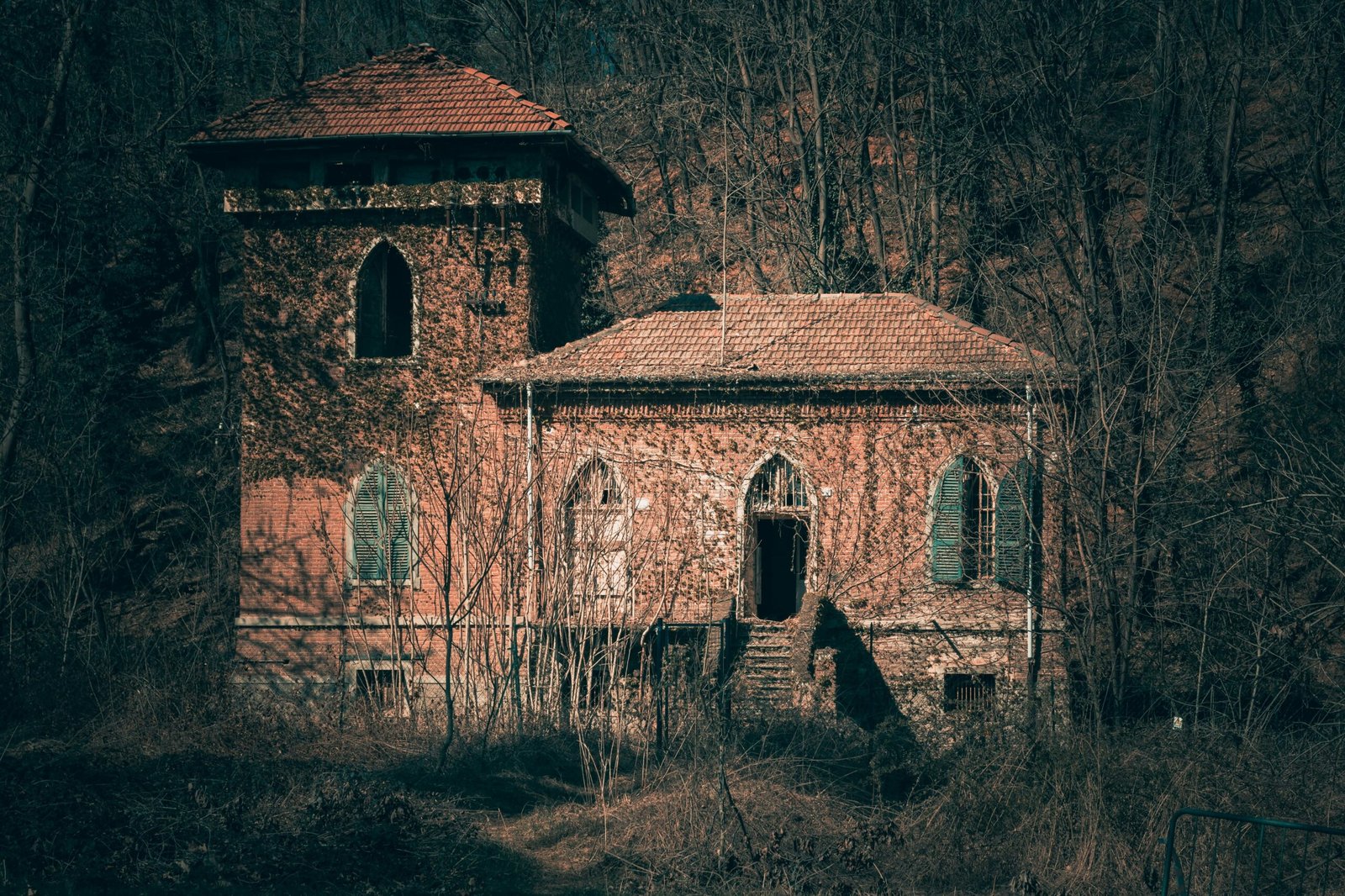
Small towns often appear peaceful, welcoming, and untouched by the chaos of larger cities. Quiet streets, familiar faces, and long-standing traditions create an atmosphere of comfort and security. Yet beneath this calm exterior, stories can unfold that reveal hidden secrets, forgotten histories, and unsettling mysteries. This contrast between ordinary life and dark revelations has made small towns one of the most compelling settings in modern literature.
The appeal of Gothic small-town fiction lies in its ability to transform familiar places into landscapes filled with tension and uncertainty. Instead of relying only on frightening events, these stories build suspense through atmosphere, complicated relationships, and mysteries rooted in the past. Every abandoned house, neglected church, or isolated forest path can become a piece of a larger puzzle waiting to be uncovered.
Readers are drawn to this genre because it combines emotional storytelling with psychological suspense. Family secrets, local legends, unexplained disappearances, and generations of hidden truths create narratives that remain engaging until the final page. Rather than focusing solely on fear, these novels explore how communities protect their histories and how individuals confront the darkness that has quietly existed around them for years.
Understanding Gothic Small-Town Fiction
It combines the haunting atmosphere of Gothic literature with the close-knit environment of small communities. Instead of grand castles or distant landscapes, these stories often unfold in quiet neighborhoods, isolated villages, or historic towns where everyone seems to know each other.
The setting itself becomes one of the story’s most important elements. Old buildings, abandoned properties, dense forests, forgotten cemeteries, and aging landmarks create an environment where mystery feels natural. Even ordinary locations can carry an unsettling sense of history.
Characters also play an essential role. Residents often share generations of family history, hidden rivalries, and long-protected secrets. As new events unfold, these relationships become increasingly complicated, revealing that appearances rarely reflect reality.
The Role Of Atmosphere In Building Suspense
Unlike fast-paced thrillers, Gothic stories develop suspense gradually. Every conversation, location, and unexpected discovery contributes to a growing sense that something is not quite right.
Writers often rely on detailed descriptions rather than sudden shocks. Quiet evenings, empty streets, changing weather, and neglected buildings create emotional tension that lingers throughout the story. Readers begin to notice subtle clues long before the characters fully understand their significance.
At the heart of many memorable novels, Gothic small-town fiction succeeds because it allows suspense to grow naturally through atmosphere, relationships, and carefully revealed secrets rather than relying on constant action alone.
Why Readers Continue To Enjoy These Stories
One reason this genre remains popular is its balance between mystery and emotional storytelling. Every investigation reveals more than simple facts because each discovery changes how characters understand their community and themselves.
The smaller setting also creates stronger emotional connections. Readers become familiar with local landmarks, recurring characters, and community traditions, making every new revelation feel increasingly significant.
Modern authors continue expanding the genre by introducing fresh perspectives while preserving its classic strengths. Historical mysteries, psychological suspense, supernatural suggestions, and family dramas can all exist naturally within the same narrative.
Why Gothic Stories Set In Small Towns Endure
The lasting appeal of Gothic fiction set in quiet communities comes from its ability to uncover extraordinary stories hidden beneath ordinary lives. Familiar places become filled with uncertainty, reminding readers that every town has a history waiting to be explored.
Through compelling characters, layered mysteries, and unforgettable settings, these novels create experiences that remain memorable long after the final chapter. They encourage readers to question appearances while appreciating the emotional complexity behind every secret.
For anyone seeking thoughtful mysteries filled with atmosphere and emotional depth, Gothic small-town fiction offers an engaging blend of suspense, history, and human drama. Its timeless themes ensure that readers will continue returning to these mysterious communities for many years to come.